Salat: Prayer in Islam
Salat is the obligatory prayer that Muslims perform five times a day as a fundamental part of Islamic practice. Through prayer, believers dedicate moments of the day to worship and the remembrance of Allah.
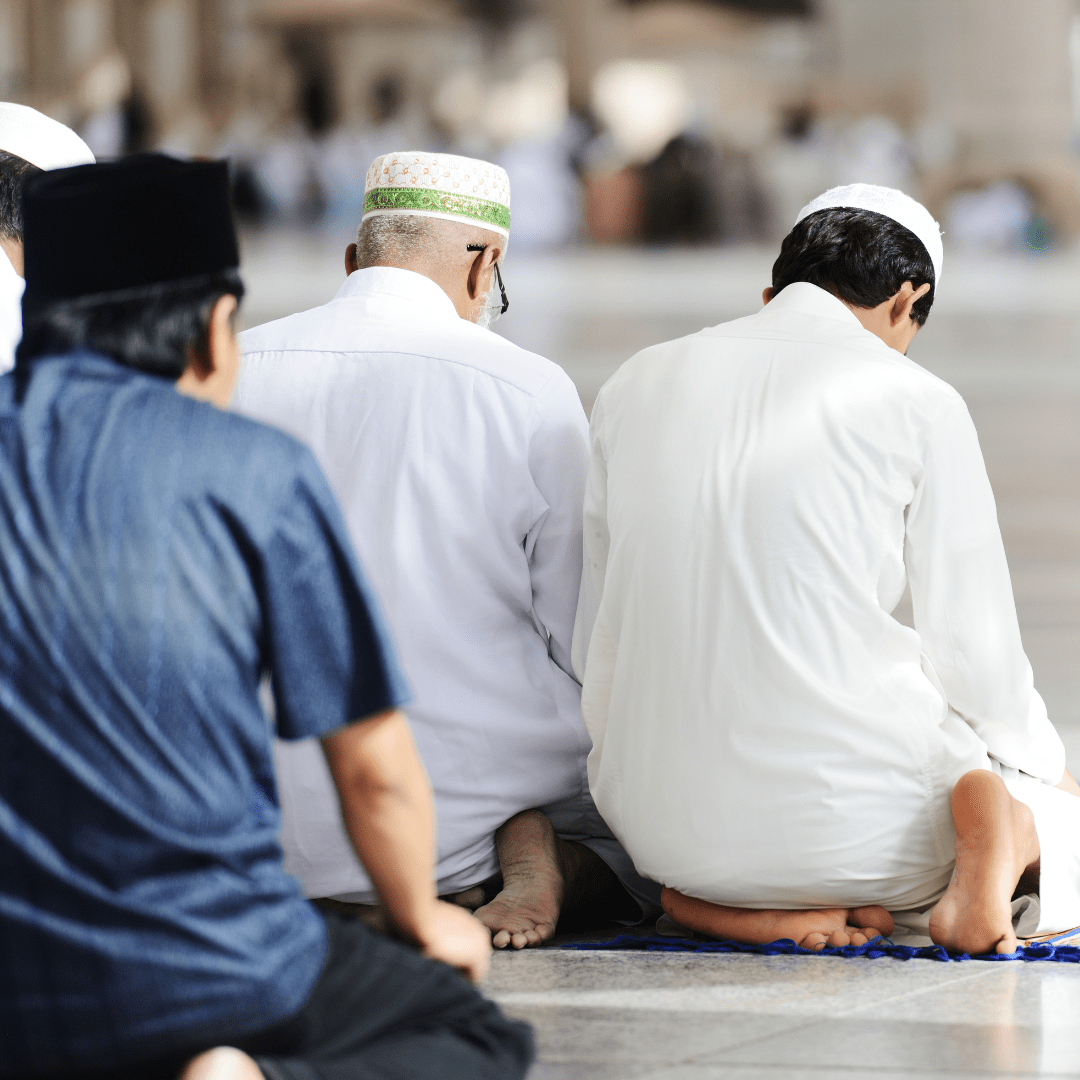
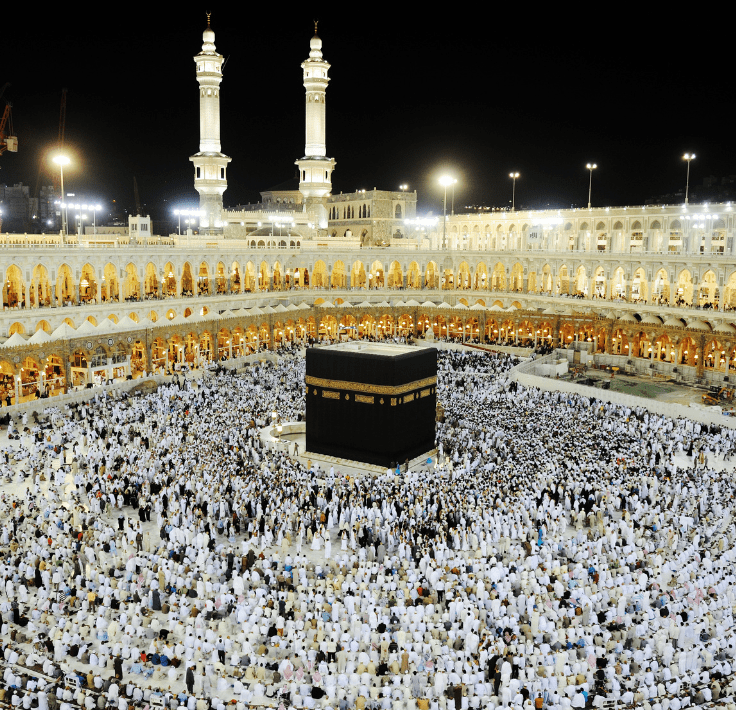
What Is Salat?
Salat is the obligatory prayer in Islam and one of the five pillars of the religion. Muslims perform five daily prayers at specific times while facing Mecca.
Each prayer includes recitation from the Quran, supplications, and different physical positions that are part of daily Muslim worship.
Who Must Perform Salat?
Salat is obligatory for every adult Muslim who is physically and mentally able. It is part of daily Islamic practice and is performed regardless of gender or social status.
In certain situations, such as illness or physical limitations, Islam provides flexibility in prayer according to each person’s ability.
For children, Salat is not obligatory, although teaching them how to pray from an early age is encouraged.
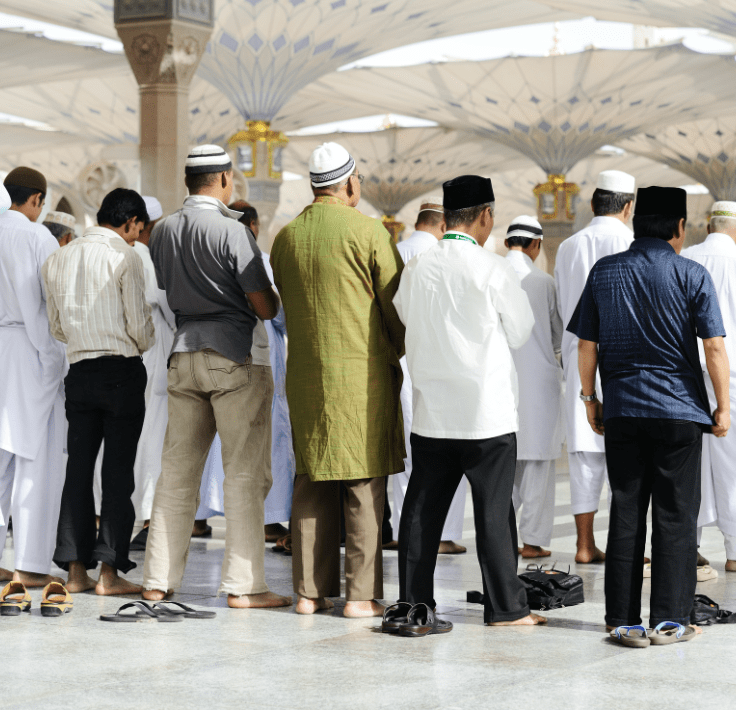
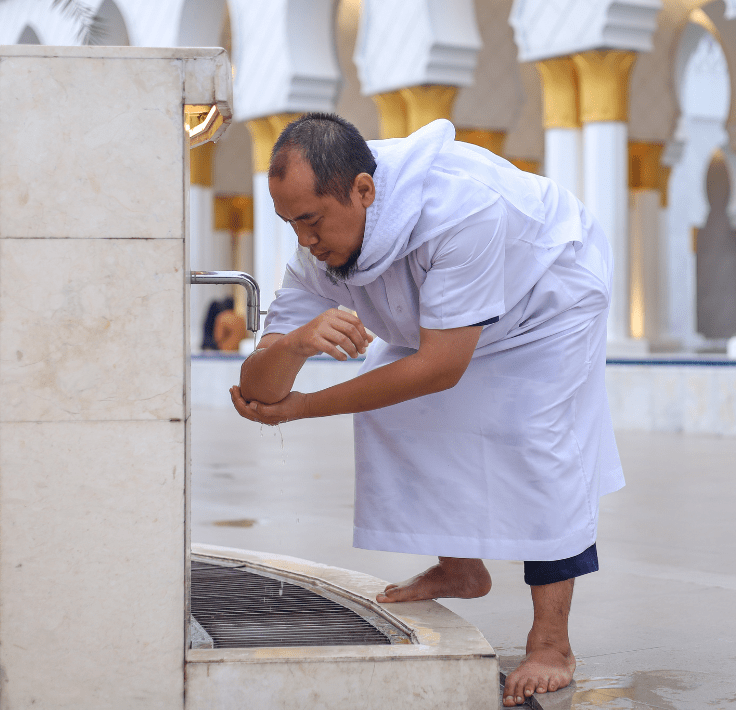
How Is Salat Performed?
Salat is performed through a series of steps and positions known as rak‘ahs (units of prayer). Each prayer includes recitation from the Quran, specific movements, and moments of supplication.
Main Elements of Salat
- Wudu (ablution): purification performed before prayer.
- Niyyah (intention): the intention to perform Salat.
- Qiyam: the standing position during recitation.
- Ruku: bowing as a sign of submission.
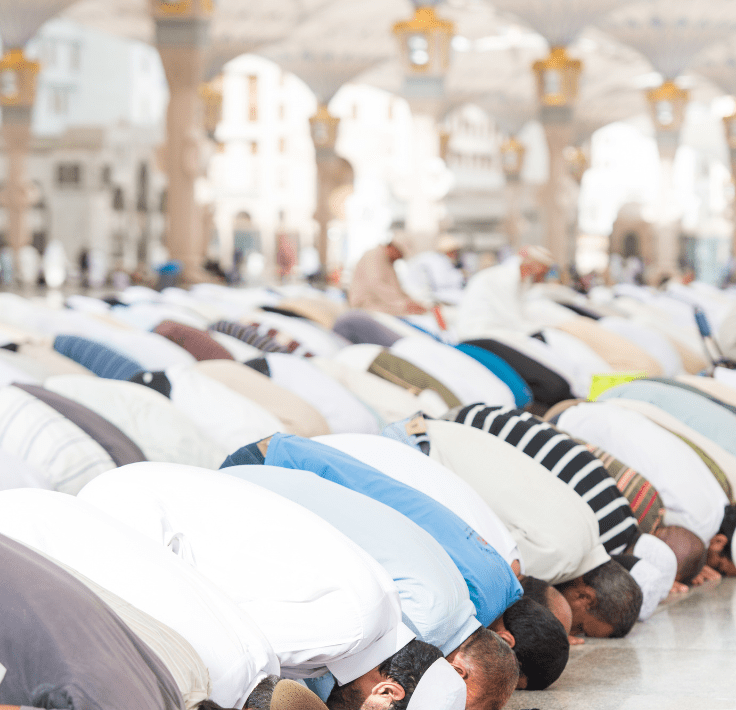
- Sujud: prostration during prayer.
- Jalsa: the sitting position between prostrations.
Salat is performed facing Mecca and at specific times throughout the day.
When Is Salat Performed?
Salat is performed five times a day at specific times determined by the position of the sun. Each prayer has an established time within Islamic practice.
Prayer Times
- Fajr: before sunrise.
- Dhuhr: after midday.
- Asr: during the afternoon.
- Maghrib: just after sunset.
- Isha: at night.
Salat prayer times vary depending on location and time of the year.
Why Is Salat Important?
Salat is one of the fundamental pillars of Islam and an essential part of daily Muslim practice. Through prayer, believers dedicate moments of the day to worship and the remembrance of Allah.
The Importance of Salat
- It is one of the five pillars of Islam.
- It helps maintain a daily routine of prayer.
- It strengthens discipline and consistency.
- It unites millions of Muslims in the same religious practice.
Salat holds a central place in Islamic life and represents one of the main forms of worship in Islam.

Islam y Práctica
Shahada
Salat
Zakkat
Sawm
Hajj
Recursos Educativos
Quran
AlimBot
Duhas
Dhikr
Tasbih
Herramientas Varias
Adhan
Qibla
Mezquitas Cerca
Hadiz
Madrasa