Hajj: Pilgrimage to Mecca
Hajj is the fifth pillar of Islam and refers to the pilgrimage to Mecca that every Muslim must perform at least once in their lifetime, provided they have the means and ability to do so.
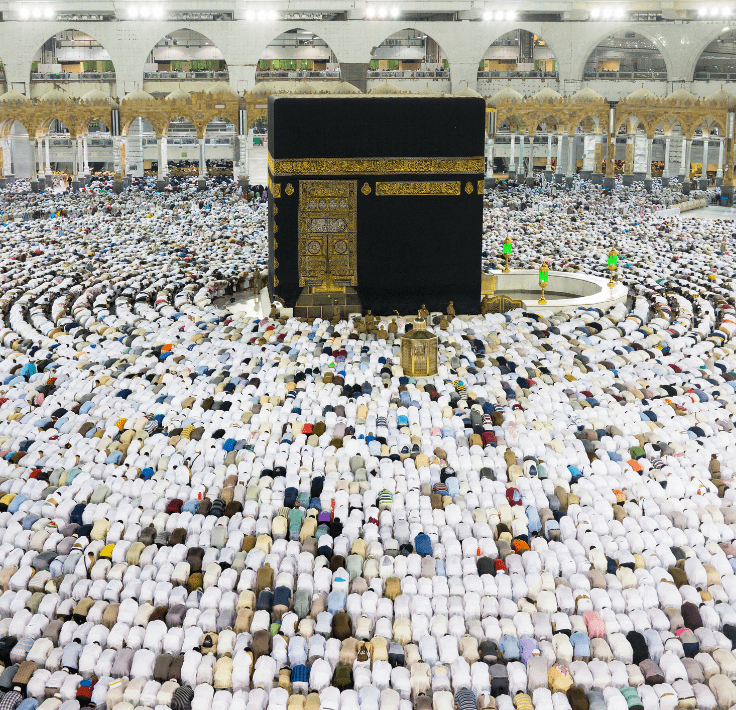
During Hajj, millions of Muslims gather in Mecca to perform different acts of worship within the Islamic tradition.
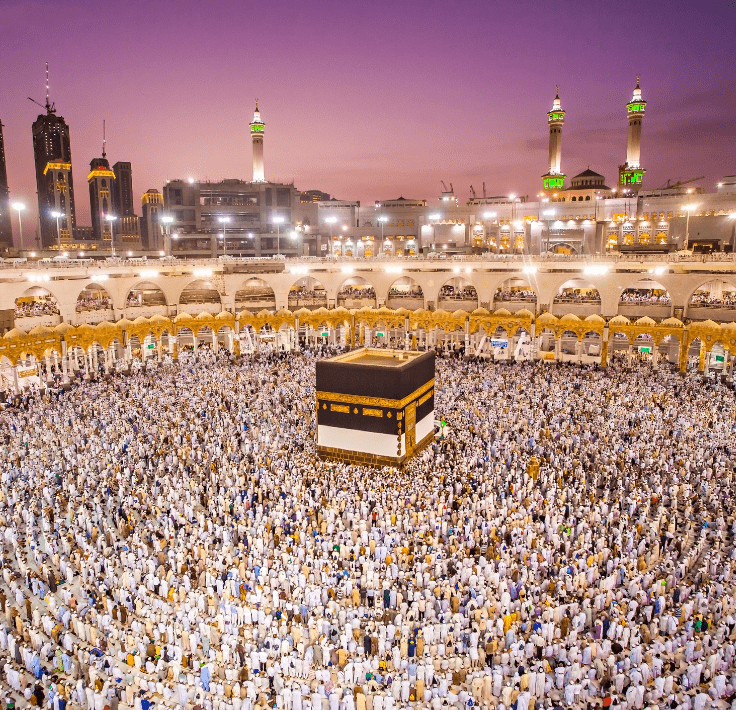
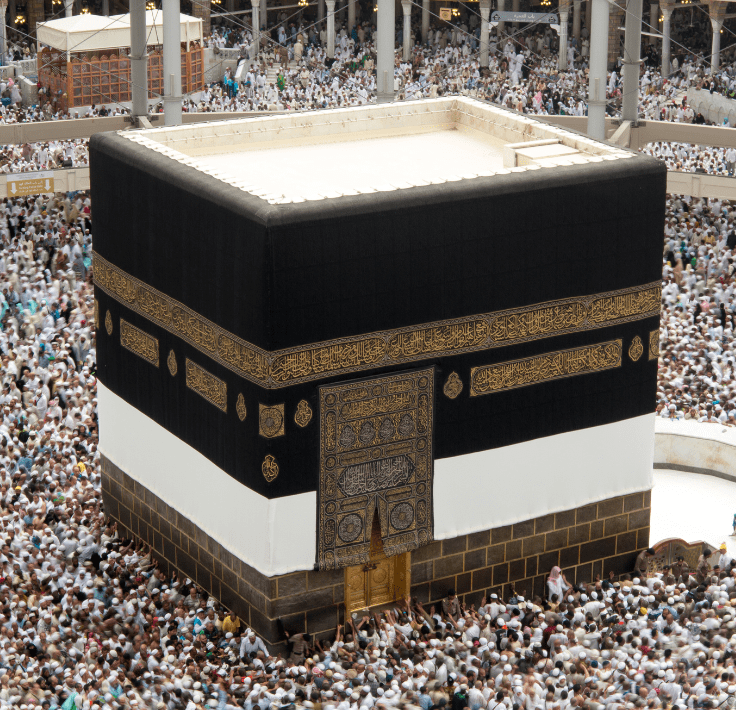
What Is Hajj?
Hajj is the annual pilgrimage to Mecca performed by Muslims during the month of Dhul-Hijjah. It is one of the five pillars of Islam and one of the most important practices within the Islamic faith.
During Hajj, millions of Muslims perform different rituals and acts of worship following Islamic tradition.
Who Must Perform Hajj?
Hajj is obligatory for adult Muslims who have the physical and financial ability to perform the pilgrimage to Mecca.
Conditions for Performing Hajj
- Having sufficient financial means for the journey.
- Being in good physical and mental health.
- Being able to perform the pilgrimage without affecting the basic needs of the family.
Hajj must be performed at least once in a lifetime when these conditions are met.
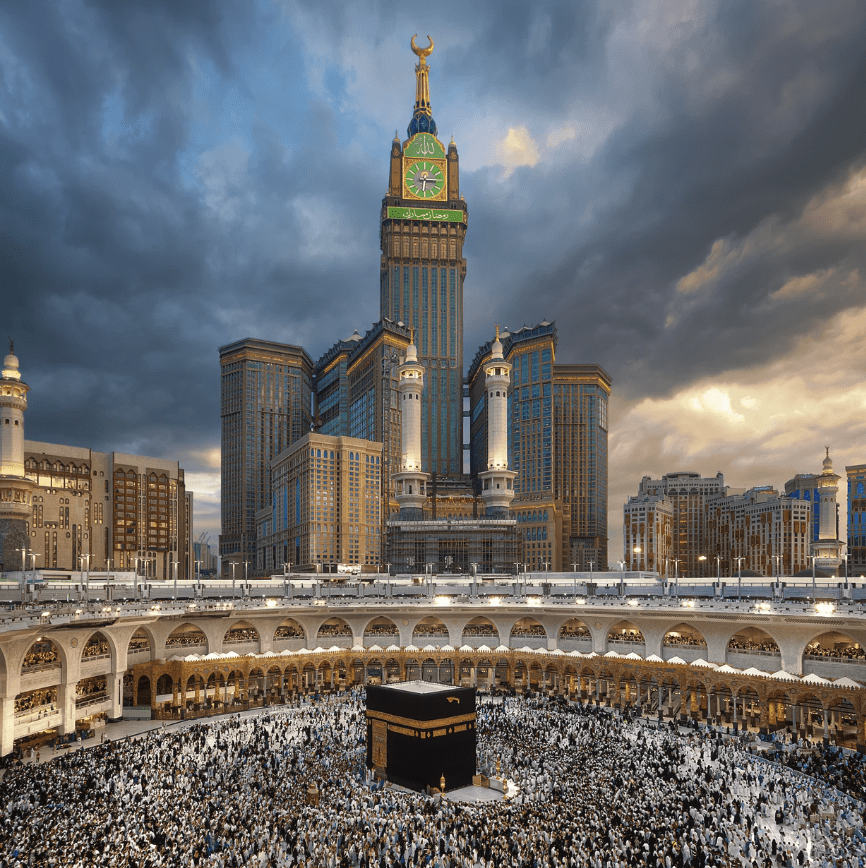
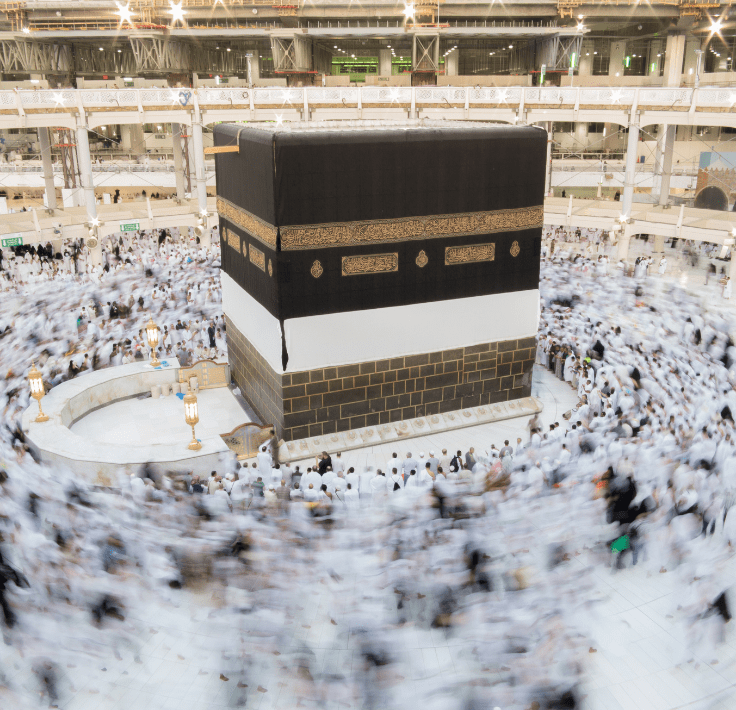
How Is Hajj Performed?
Hajj is carried out through different rituals that take place over several days in Mecca and its surrounding areas.
Main Rituals of Hajj
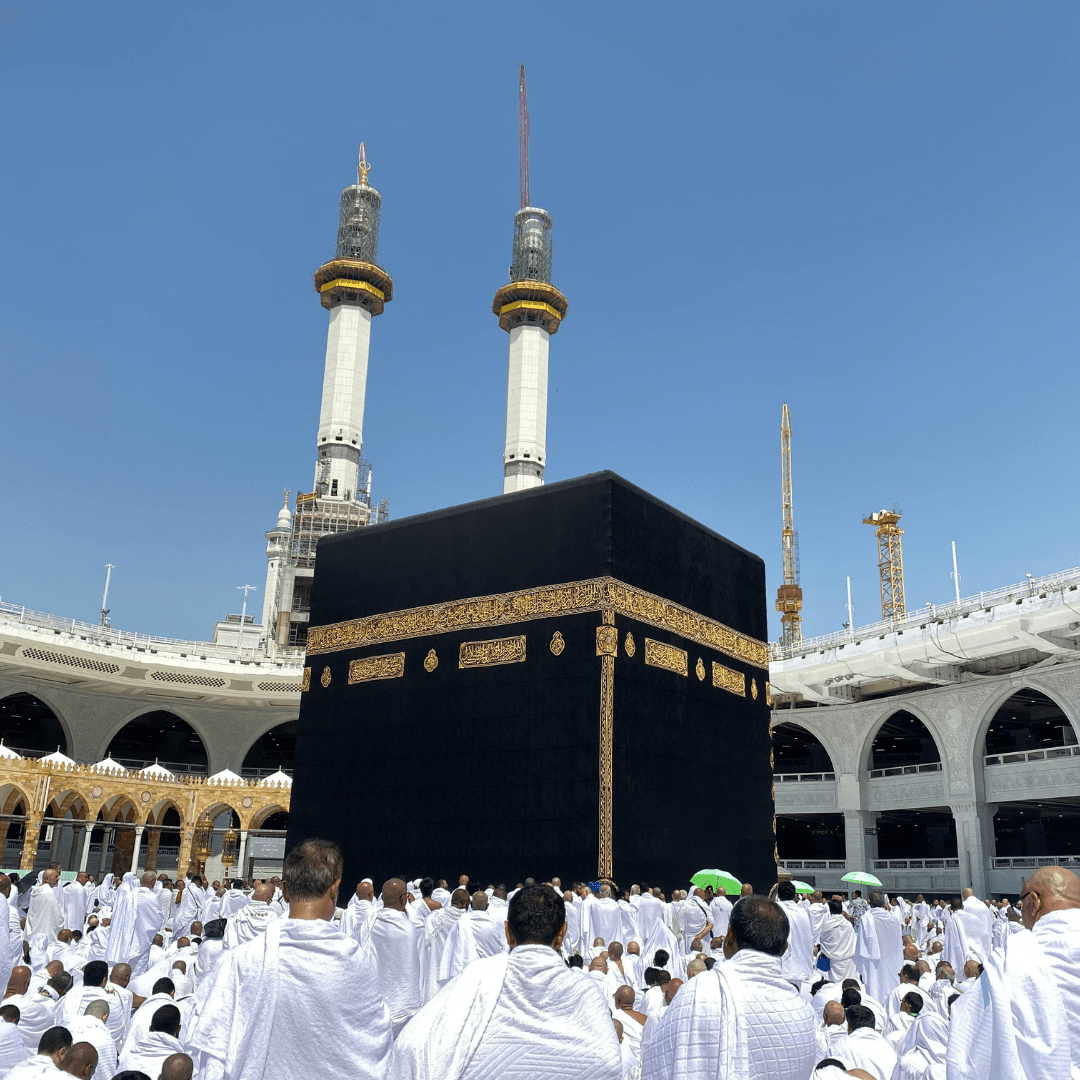
- Ihram: the state of preparation and clothing worn by pilgrims.
- Tawaf: circling around the Kaaba.
- Sa’i: walking between Safa and Marwa.
- Standing at Arafat: a day dedicated to prayer and supplication.
- Sacrifice during Eid al-Adha: a ritual performed during the pilgrimage.
- Stoning of the pillars: throwing stones in Mina.
Each of these acts is part of the Islamic pilgrimage and follows a specific order during Hajj.
When Is Hajj Performed?
Hajj is performed once a year during the month of Dhul-Hijjah, the last month of the Islamic calendar.
Hajj Dates
- The main rituals take place between the 8th and 13th of Dhul-Hijjah.
- The dates change every year according to the Islamic lunar calendar.
- The pilgrimage takes place in Mecca and its surrounding areas.
Unlike Hajj, Umrah can be performed at any time of the year.
Why Is Hajj Important?
Hajj is one of the five pillars of Islam and represents one of the most important practices within the Islamic faith. Every year, the pilgrimage to Mecca brings together millions of Muslims from different countries and cultures.
The Importance of Hajj
- It is one of the pillars of Islam.
- It brings together Muslims from all around the world.
- It follows rituals connected to Islamic tradition.
- It represents one of the main forms of worship in Islam.
Hajj must be performed at least once in a lifetime by those who have the physical and financial ability to do so.
Hajj and Umrah
Hajj and Umrah are pilgrimages performed by Muslims in Mecca. Although both include some similar rituals, there are important differences between them.
Differences Between Hajj and Umrah
- Hajj is one of the five pillars of Islam and takes place on specific dates in the Islamic calendar.
- Umrah is a minor pilgrimage that can be performed at any time of the year.
- Hajj includes more rituals and lasts longer than Umrah.
Both pilgrimages are part of Islamic tradition and represent acts of worship performed by millions of Muslims.

Islam y Práctica
Shahada
Salat
Zakkat
Sawm
Hajj
Recursos Educativos
Quran
AlimBot
Duhas
Dhikr
Tasbih
Herramientas Varias
Adhan
Qibla
Mezquitas Cerca
Hadiz
Madrasa